
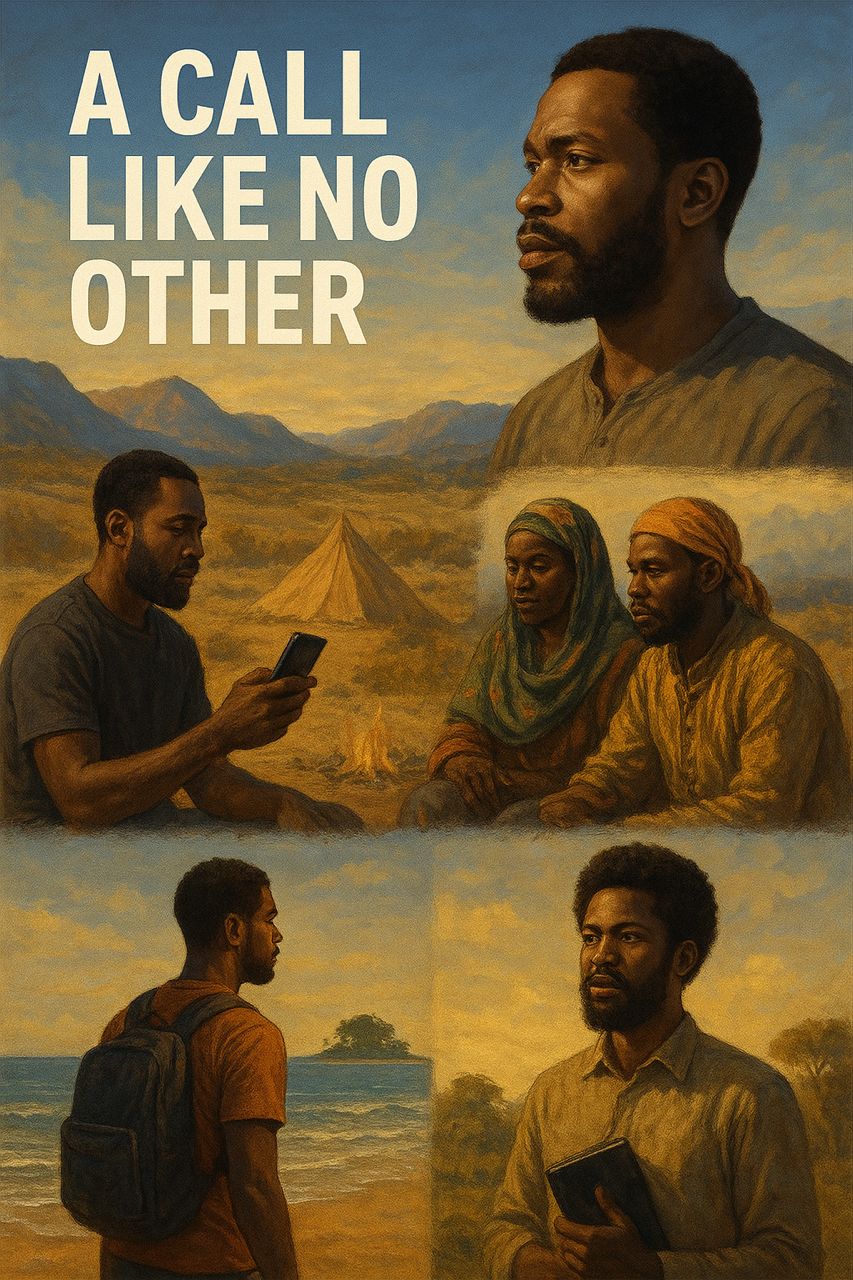
Imagine living your entire life without ever hearing the name of Jesus. Picture being born, growing up, and dying in spiritual darkness because no one took the time to cross the mountains, deserts, or cultural barriers to share the Gospel with you. This is the sobering reality for millions of people in remote tribes and hidden regions today. They find themselves in spiritual isolation—not by choice, but because no one has reached out to them.
To alter this reality, we must think differently, act fearlessly, and behave boldly. To reach those who are least reached, we need individuals with radical faith—people who burn with God’s love so profoundly that they will accomplish what others fear, venture where others avoid, and think beyond their limits.
Thinking Differently: Reaching the Kuchi Nomads in Afghanistan
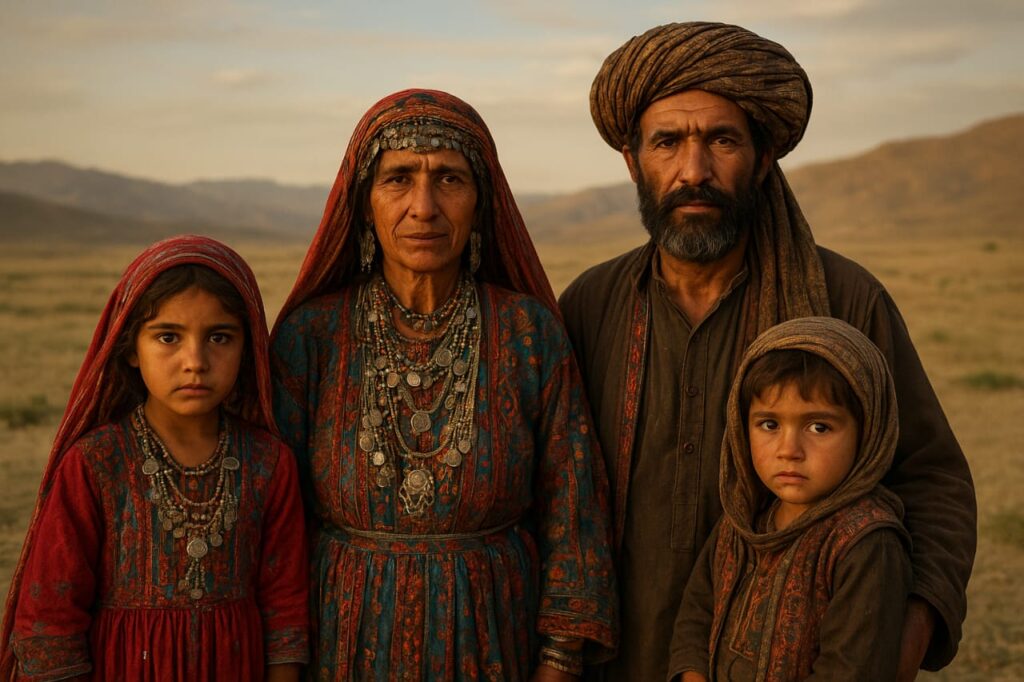
The Kuchi nomads of Afghanistan are among the world’s least-reached tribes. As wandering shepherds, they roam across harsh, rugged landscapes, living in tents and tending to their flocks. For centuries, their nomadic lifestyle, extreme living conditions, and deep-rooted Islamic traditions have kept them largely out of reach of the Gospel.
Yet, modern missionaries are dismantling these barriers. A small group of believers, equipped with mobile technology and oral Bible stories, have devoted their lives to reaching the Kuchi. By adapting to the nomadic lifestyle and immersing themselves in the culture, they have discovered ways to share Christ through conversations around campfires and songs in their native tongue. Their radical willingness to think differently is beginning to yield fruit as the seeds of the Gospel are sown in this nomadic tribe.
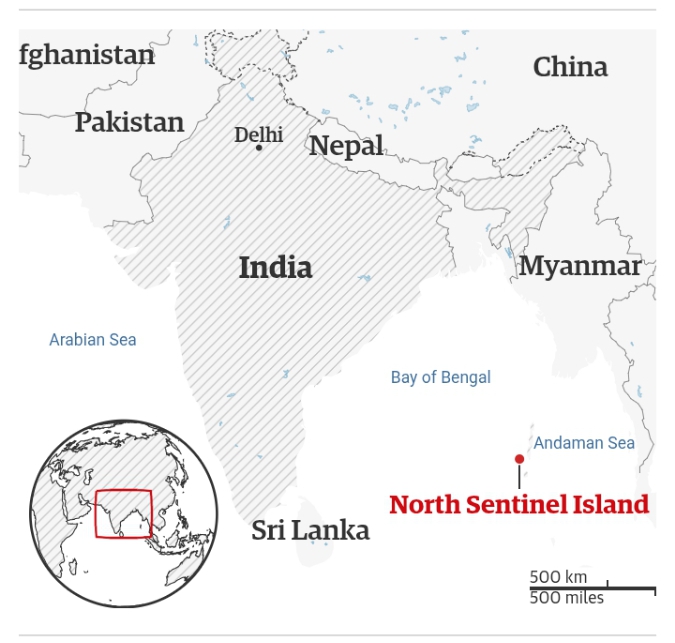
In 2018, John Allen Chau, a young missionary, made international headlines when he attempted to bring the Gospel to the Sentinelese people, an isolated tribe on North Sentinel Island. Despite being aware of the risks—this tribe had violently resisted all contact for decades—John felt the Spirit’s burden to reach them. He wrote in his journal, “I think it’s worth it to declare Jesus to these people. God, I don’t want to die, but if I do, who will take my place?”
The tribe ultimately killed John, but his story ignited a global conversation about the cost of obedience. His death speaks louder than thunder, the sacrifices of countless missionaries throughout history who risked and gave their lives for the Gospel. John’s story reminds us that reaching the unreached often requires courage that surpasses fear.
Doing the Unimaginable: Loving the Fulani of West Africa
Rev. Buba Aliyu’s journey from a devout Fulani Muslim to a bold missionary pastor is a powerful testament to the cost—and the glory—of following Christ among unreached peoples. Born in Borno State, Nigeria, into a conservative Islamic family, Aliyu was deeply rooted in the teachings of the Qur’an. But in 1995, while studying Islamic texts, he began to experience a mysterious stirring—he repeatedly heard the name of Jesus. What started as a whisper soon became an undeniable pull toward the truth of the Gospel.
Driven by this divine encounter, Buba sought out a Christian pastor and made the courageous decision to give his life to Christ. His conversio B n was not only countercultural—it was life-threatening. His brother attempted to kill him for what was considered apostasy. Overnight, he became an outcast in his own family and a marked man in a region where leaving Islam is met with brutal consequences.
But Buba’s faith did not waver; instead, it deepened. Fueled by the very Gospel that had changed his life, he resolved to reach his people—the Fulani—with the message of Christ. This decision would lead him into some of the most dangerous territories in northern Nigeria—regions frequently labelled as “no-go zones” for Christians due to extremist violence and entrenched Islamic dominance.
In the face of relentless threats, Rev. Aliyu founded Fulbe Outreach International, a ministry focused on evangelising the Fulani people. He began preaching in hostile communities, distributing thousands of Bibles in Fulfulde, and disciplining new believers in secret. He risked arrest, assault, and assassination—but the fruit of his labour began to blossom. Slowly and sacrificially, Fulani men and women began to embrace Christ.
Today, Rev. Aliyu stands not only as a witness to the power of the Gospel but also as a symbol of the courage and perseverance required to bring light into spiritually dark places. His life is a living embodiment of missionary sacrifice—faith forged in fire, risk embraced for the sake of the cross, and achievements carved from years of unwavering obedience.
Deep in my mind, I heard Buba saying, ‘I am a Fulani by birth and a Christian by the call of God. I must preach Christ to my people, even if it costs me my life.’ In his story, I see a flame of life from the Sahel.
The Fulani, one of the largest nomadic tribes in the world, span across 20 countries in West Africa. Known for their herding lifestyle and deep Islamic roots, they are considered one of the most resistant groups to Christianity. Yet, missionaries like Amos have dedicated their lives to reaching them.
When the Call Drowns Comfort: The Journey of Owoseni Amos
Owoseni Amos, a young graduate in Animal Science, appeared to have a promising future. With a thriving poultry farm and professional prospects ahead, his path seemed set. However, God had other plans. During several sessions with a mission coach, Amos unearthed something deeper than ambition—a divine calling to serve Muslims.
As the weight of that calling grew heavier, Amos made a radical decision: he shut down his poultry business and surrendered his future to God’s mission field. He enrolled in intensive missionary training, and it was there that the Lord impressed a specific people group on his heart—the Fulani, often considered one of the hardest-to-reach nomadic tribes in West Africa.
In what can only be described as a leap of faith, Amos married and moved his young family to a remote Fulani village in the jungle. There were no roads, no network signal, no electricity, and no trace of the conveniences most people crave for. However, where others saw danger and discomfort, Amos saw a field ready for harvest.
With courage that defied fear and a heart aflame with the love of Christ, he chose to live among the Fulani—not merely as a preacher but as a neighbour, a friend, and a witness. In the heart of that wilderness, amidst harsh climates and isolation, Owoseni Amos pressed on. There were nights when the howls of wild animals replaced the hum of generators and days when hunger or sickness could not be alleviated by a phone call or clinic visit.
Today, as a front-line missionary with Sinai Global Outreach, Owoseni Amos has brought the light of the Gospel to many Fulani who had never heard the name of Jesus. Several have come to salvation, and small discipleship groups have begun to emerge where once only resistance existed. His life is a living testimony that the cost of obedience may be significant, but the reward of a soul saved is far greater.
Call to Action: The Time Is Now
These stories are not merely tales of extraordinary individuals—they serve as reminders of what God can accomplish through anyone willing to heed His call. There are still 3.4 billion people in over 7,000 unreached people groups awaiting the Good News. They reside in remote mountains, arid deserts, dense jungles, and bustling cities.
Will you pray for the Kuchi nomads, the Fulani, and the tribes in isolated places? Will you support missionaries working in these regions? Or will you take up the mantle yourself, stepping into the unknown to bring the light of Christ to those who have never heard?
The call is urgent. The need is great. And the opportunity is now.